
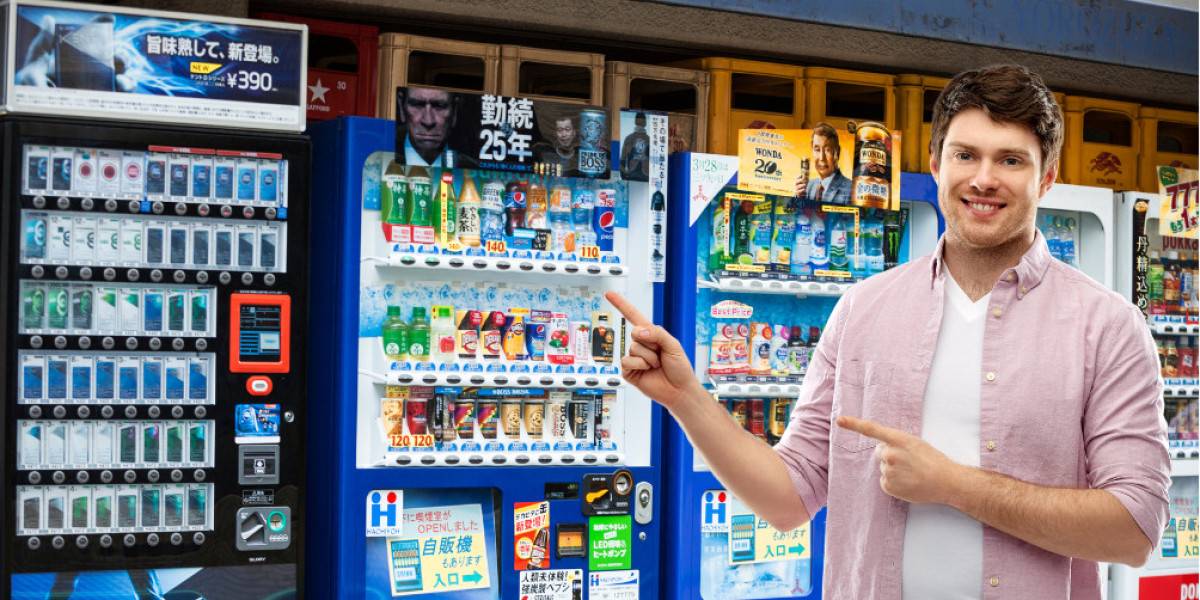

As a type of business venture, a vending machine business is quite profitable and suitable for new business startups as well. For this reason, more and more individuals are venturing into this line of business which requires minimal capital to establish. Thus, below, we would be exploring the key stages, costs, and strategies that will be useful for starting and How To Start A Vending Machine Business.
Why Start a Vending Machine Business?
Before detailing on this business, let’s understand why it is worth venturing in:
- Low overhead: The cost of starting up a vending machine business is relatively low since one will not incur high costs of setting up large stores and other businesses.
- Lack of Active Work: Vending machines are easy to set up, and once set up, they can work actively and earn without much effort on the side of the actual owner.
- Accessibility: You can expand the business to a level desired or areas of your choice depending on the plan.
- High Demand: Food such as snacks and beverages, first necessity products meaning it is a business that is resistant to economic downturns as everyone will always need a snack or drink and will always need basic necessities.
Steps to Start a Vending Machine Business
1. Research and Planning
- Choosing a Niche: Determine on which kinds of products to offer like Snacks, Beverages, Healthy products or any other specialty products.
- Know your market: It is essential to analyze your target viewers and competitors in the areas you intend to administer.
- Strategise: Your goals, financial requirements and mode of expanding your business.
2. Choose the Right Vending Machines
There are two types of machines that give three subcategories related to them: snack machines, beverage machines, combo machines, or coffee, and fresh food vending machines.
- New vs. Used: As the two choices indicate, one must choose whether to buy new machines for reliability or used machines to minimize expenses.
- Features to Look For: Opt for machines with cashless payment options, energy efficiency, and remote monitoring capabilities.
3. Find Profitable Locations
- Seek locations which receive high human traffic around schools, offices, gyms, hospitals and transportation centers.
- Make deals with property owners by establishing revenue-sharing arrangements together.
- The first requirement is to secure all permissions and permits which allow you to operate within chosen locations.
4. Source Products and Set Pricing
- Reliable Suppliers: Partner with wholesalers or distributors for consistent product supply.
- Pricing Strategy: The business will establish pricing levels that embrace competitive market value and sustainable profit margin operations.
5. Maintain and Optimize Your Machines
- Providing regular servicing includes maintaining your machines while supplied with inventory and performing necessary maintenance to preserve their operational capability.
- Utilize data tracking to detect popular products which will help you readjust your inventory allocation.
Conclusion
The initiation of a business based on vending machines enables entry into entrepreneurship for new start-ups without capital investment dangers. The combination of proper steps with cost management and insider advice will enable you to create a lasting profitable business opportunity.
Small business development guidance can be found at Mediawayz.com