


Modern Treatment Methods Transform Wastewater Management
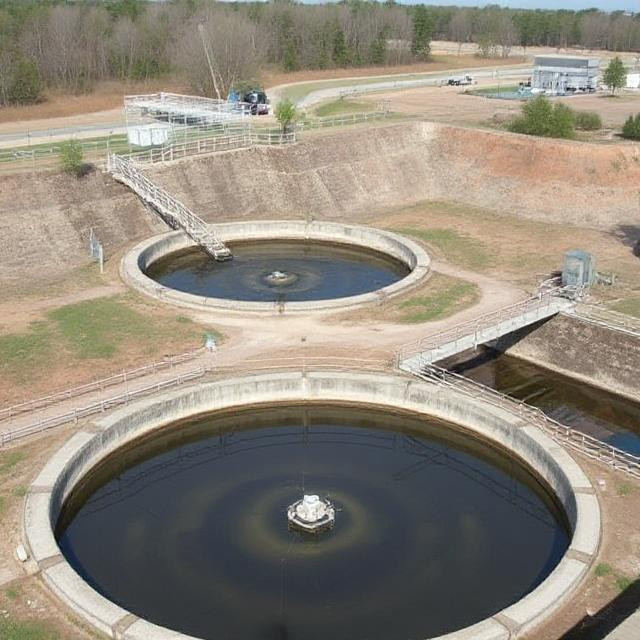
Sewage Treatment Plant Operations now use membrane bioreactors (MBR). These systems combine traditional biological treatment with membrane filtration. The result? Cleaner water output and smaller plant footprints.
Local companies like STP manufacturers Ghaziabad integrate these technologies into their designs. They're building more compact and efficient plants for urban areas.
Advanced Monitoring and Control Systems
Smart sensors track treatment processes in realtime. Plant operators can adjust settings instantly based on data. Sewage Treatment Plant Operations become more precise and automated. This reduces human error and improves efficiency.
SCADA systems connect all plant components. Operators monitor everything from one control room. Quick problem detection means faster solutions.
Energy-Efficient Solutions Transform the Industry
STP Solutions in Ghaziabad now features energy recovery systems. These capture biogas from sewage treatment. The gas powers plant operations, reducing electricity costs.
Advanced aeration systems use less power. They deliver oxygen more efficiently to bacteria that clean the water. Many STP Solutions in Ghaziabad have cut energy use by 30%.
Sustainable Solid Waste Management
New dewatering technologies produce drier sludge. This means lower transportation costs and easier disposal. Some plants turn dried sludge into fertilizer or building materials.
UV and Ozone Disinfection Takes Over
Chemical-free disinfection methods are gaining popularity. UV light and ozone systems kill harmful organisms without added chemicals. They leave no harmful byproducts in treated water.
Smart Sensors and IoT Integration
The Internet of Things has revolutionized sewage treatment. Smart sensors throughout the treatment process collect data on everything from water quality to equipment performance. This constant stream of information helps operators optimize processes, reduce energy consumption and predict maintenance needs before equipment fails.
Digital Twin Technology Improves Operations
Virtual plant models help optimize performance. Operators test changes safely before implementing them. This technology reduces risks and improves decision-making.
Remote Monitoring Capabilities
Mobile apps let operators check plant status from anywhere. Quick responses to problems prevent system failures. Data analytics predict maintenance needs before breakdowns occur.
Modular Design Makes Plants Adaptable
Modern treatment plants use modular components. They're easier to upgrade and expand. Cities can add capacity without building entirely new facilities.
Treatment for Emerging Contaminants
New systems target pharmaceuticals and microplastics. Advanced oxidation processes break down these tough pollutants. The result is safer water for everyone.
Green Infrastructure Integration
Natural treatment systems complement traditional processes. Constructed wetlands provide additional filtration and habitat creation. Green roofs manage stormwater and improve facility aesthetics. These solutions offer sustainable long-term benefits.
Future Developments on the Horizon
Research continues into more efficient treatment methods. Artificial intelligence might soon control plant operations automatically. Newer membrane materials could make treatment even more effective.
These technologies make sewage treatment more efficient, sustainable and reliable. They help cities meet growing demands while protecting the environment. The future of wastewater treatment looks cleaner and greener than ever.