
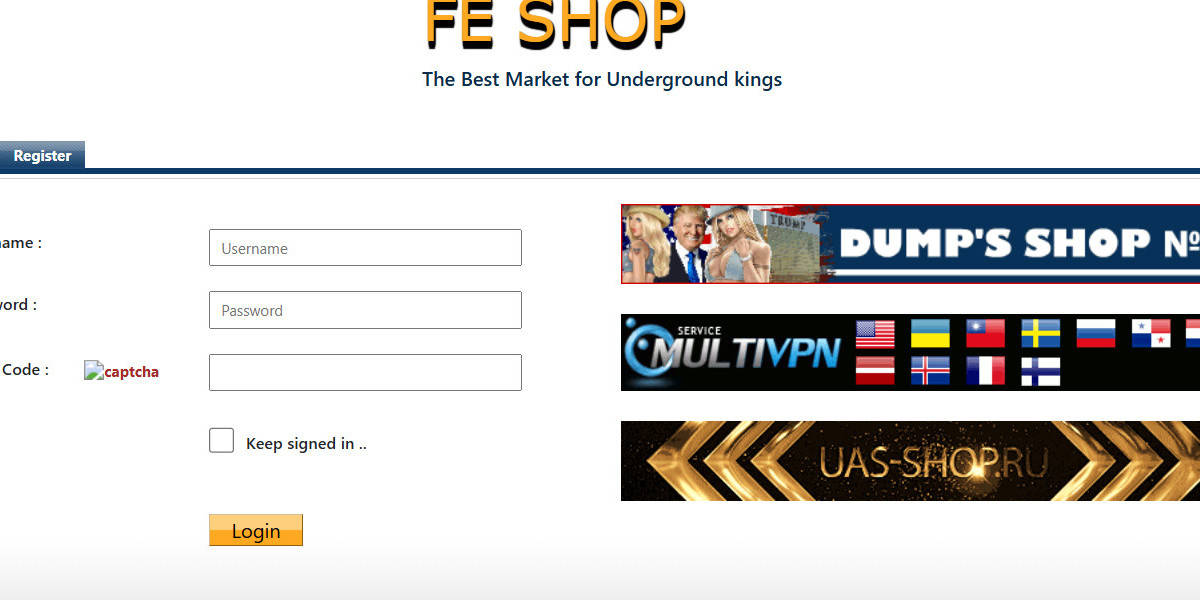
In the sprawling ecosystem of the dark web, few names have had as much influence on the underground data trade as Fe Shop. Operating quietly yet powerfully behind layers of anonymity, Fe Shop evolved into one of the most widely known illicit marketplaces specializing in stolen credit card data, personal identifiers, and other digital financial assets. While authorities have taken down many similar operations, Fe Shop became notorious for its scale, resilience, and role in monetizing data breaches.
This article explores how fe shop contributed to the underground trade economy, the mechanics behind its marketplace, and the broader impact it had on cybersecurity and financial ecosystems.
? What Is Fe Shop?
Fe Shop (also known as “Feshop”) was a dark web marketplace primarily focused on the sale of stolen payment card data, account credentials, and financial documents. It catered to a global audience of cybercriminals, acting as a digital trading hub for:
CVV and fullz data
Bank login credentials
Driver's licenses, passports, and utility bills (for identity fraud)
Remote access tools and malware kits
What made Fe Shop unique was its specialization and scale. While many markets tried to be one-stop shops, Fe Shop focused purely on high-value financial data, becoming a trusted name among illicit traders.
? The Underground Economy and Digital Trade
Fe Shop wasn’t just a random criminal site—it was a key player in a growing shadow economy where stolen data became a commodity.
In this underground data economy:
Hackers steal or skim data from point-of-sale systems, phishing attacks, or database breaches.
The stolen data is sold on Fe Shop to buyers (commonly known as “carders” or “fraudsters”).
These buyers use the data to make unauthorized purchases, commit identity fraud, or resell validated cards for a profit.
Cryptocurrency like Bitcoin or Monero is typically used for transactions to preserve anonymity.
This model turned data into a tradable asset, allowing it to flow through layers of resale, validation, and monetization—mirroring legitimate supply chain dynamics.
? How Fe Shop Worked as a Trading Platform
Fe Shop functioned with a level of professionalism that mirrored legitimate e-commerce sites:
1. User Interface
Fe Shop offered a searchable interface with filtering options (by country, card type, bank name, etc.) to make finding the right stolen data fast and efficient.
2. Pricing Structure
Cards were priced based on:
Geographic origin (U.S., EU, Asia)
Data quality (fullz with DOB, SSN, address)
Validation rating (cards that tested “live” sold at higher rates)
Prices could range from $10 to $150+ per card depending on risk and value.
3. Vendor and Buyer Reputation
Much like Amazon or eBay, Fe Shop had a reputation system for buyers and vendors. This helped reduce scams within the criminal network and kept the platform running efficiently.
4. Built-In Wallet System
Users funded an internal wallet with crypto and used that balance to purchase stolen data. This prevented direct crypto transfers on each transaction, reducing blockchain traceability.
? Global Reach and Impact
Fe Shop’s user base extended globally, with users from North America, Europe, Asia, and beyond. Its impact was massive:
Millions of cards were trafficked through the platform over several years.
Financial institutions suffered millions in chargebacks and fraud losses.
Individuals experienced identity theft, destroyed credit scores, and emotional stress.
Cybercriminal networks were able to scale operations, thanks to Fe Shop's reliability and access.
Fe Shop’s streamlined data distribution enabled fraud rings to operate as businesses—complete with sourcing, testing, customer support, and scaling.
? Law Enforcement and Shutdown Attempts
Despite its deep web location, Fe Shop did not operate entirely under the radar. Law enforcement agencies, including INTERPOL, Europol, and national cybercrime units, monitored dark web carding operations closely.
In early 2021, Fe Shop became inaccessible. Although no public takedown was officially confirmed, it is suspected that:
It was either voluntarily shut down by its operators due to heat from investigators.
Or it was seized quietly without announcement, as part of ongoing cybercrime crackdowns.
Fe Shop’s disappearance left a gap in the underground data market—one that other platforms like JokerStash, BriansClub, and AllWorld.Cards rushed to fill.
? Fe Shop’s Legacy in Underground Trade
Even after its shutdown, Fe Shop’s influence persists:
It pioneered structured pricing models and UI for black market trading.
It normalized data commoditization, where a stolen identity had a standardized market value.
It showed how illegal platforms could scale globally and operate for years by mimicking legitimate business models.
Fe Shop also forced financial institutions and cybersecurity firms to evolve threat detection and data monitoring systems, contributing indirectly to improvements in digital fraud prevention.
? Final Thoughts
Fe Shop wasn’t just a marketplace—it was a critical node in the underground digital economy. By professionalizing the trade of stolen financial data, it enabled thousands of cybercriminals to transact with ease, anonymity, and scale. While its domain may be offline today, its influence continues to ripple through the dark web and cybersecurity world.
For security analysts, businesses, and individuals alike, Fe Shop’s rise and fall is a stark reminder of how data is currency in the modern world—and why digital defenses, user awareness, and regulatory action must evolve alongside it.