
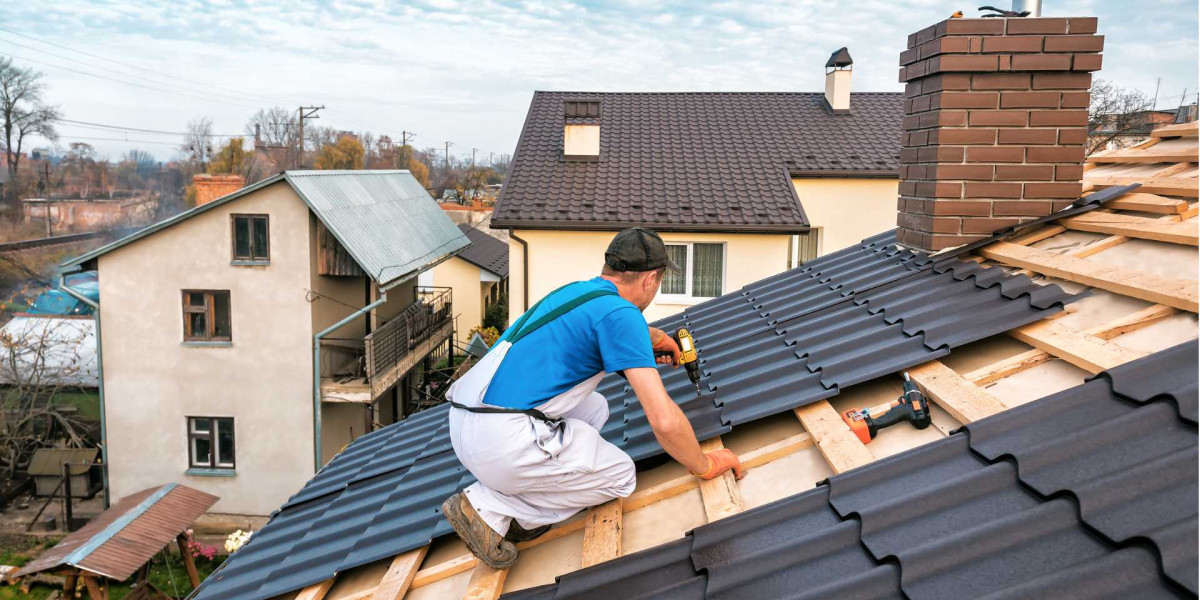

A solid roof is the foundation of a secure, energy-efficient, and long-lasting home. Whether you're building a new house or replacing an aging roof, investing in professional roof installation is one of the most important decisions you’ll make as a homeowner. From selecting the right materials to hiring the right contractor, every detail matters when it comes to roof installation.
What Is Roof Installation?
roof installation is the process of constructing or replacing the protective covering over your home or building. This includes laying down shingles, metal panels, or other materials over a system of underlayment, sheathing, and support structures. A properly done roof installation ensures your home stays protected from weather, pests, and structural decay.
Steps Involved in Roof Installation
A successful roof installation follows several critical steps:
Inspection & Assessment
The process begins with a thorough inspection to evaluate the existing roof (for replacements) and determine the scope of work.
Material Selection
Homeowners can choose from a range of roofing materials—such as asphalt shingles, metal, tile, or synthetic roofing—based on durability, style, and budget.
Removal of Old Roofing
For re-roofing projects, the old roofing materials are carefully removed, and the decking is inspected for any damage.
Installation of Underlayment & Flashing
Underlayment is laid to provide a moisture barrier, and flashing is installed to protect joints and edges from leaks.
New Roof Installation
The chosen roofing materials are installed according to manufacturer specifications and industry standards.
Clean-up & Final Inspection
A good roofing contractor will clean up the job site and perform a final inspection to ensure the roof installation meets all quality and safety standards.
Choosing the Right Material for Roof Installation
Each material used in roof installation offers unique benefits:
Asphalt Shingles: Cost-effective, widely used, and easy to install
Metal Roofing: Extremely durable, energy-efficient, and long-lasting
Clay or Concrete Tiles: Stylish and resilient, especially in warmer climates
Slate: Elegant, long-lasting, and fire-resistant
Synthetic Roofing: Lightweight and durable, mimicking the look of natural materials
A roofing expert can help you select the best option for your climate, budget, and aesthetic goals.
Benefits of Professional Roof Installation
Hiring professionals for your roof installation offers several key advantages:
Longevity: Expert craftsmanship ensures your roof lasts decades
Warranty Protection: Professional work is often backed by manufacturer and labor warranties
Energy Efficiency: Proper insulation and ventilation reduce energy costs
Increased Home Value: A new roof adds curb appeal and resale value
Safety: Trained crews work safely and efficiently using the right equipment
Avoid the pitfalls of DIY or low-cost, inexperienced contractors—professional roof installation is always worth the investment.
Signs You Need a New Roof Installation
You may need a new roof installation if you notice:
Cracked, curled, or missing shingles
Leaks or water stains on ceilings and walls
Sagging areas on your roof
Excessive granule loss from shingles
A roof older than 20–25 years
An inspection by a licensed roofing contractor can confirm whether a full roof installation is needed.
Cost of Roof Installation
The cost of roof installation depends on factors such as:
Roof size and pitch
Type of materials used
Labor rates in your area
Additional features like skylights or chimneys
Removal and disposal of old roofing
On average, roof installation can range from $5,000 to $15,000 or more. Always get multiple estimates and ensure each contractor is licensed and insured.
Final Thoughts
A high-quality roof installation protects your home, enhances its value, and offers peace of mind for years to come. Whether you’re replacing a damaged roof or building a new one, make sure you hire skilled professionals, choose the right materials, and prioritize long-term durability.